

Tehran, Iran, June 19: Iran’s Parliament Speaker and chief negotiator, Mohammad Bagher Ghalibaf, has warned that Tehran will respond if the United States or its partners violate the recently agreed framework or introduce additional demands during negotiations on a final agreement.
In a statement posted on X, Ghalibaf said Iran remained committed to implementing the conditions outlined by Supreme Leader Ayatollah Mojtaba Khamenei and would continue efforts to advance the agreement’s provisions.
“We are carrying out the task assigned to us by the Supreme Leader to pursue the implementation of the agreement’s conditions and clauses. In the event of bad faith, breach of contract, or excessive demands by the opposing side, we have no hesitation in delivering a response,” Ghalibaf said.
His remarks came as Iran and the United States entered a 60-day negotiation period aimed at transforming the recently signed memorandum of understanding into a comprehensive agreement covering sanctions, Iran’s nuclear programme, missile capabilities and regional security issues.
Earlier, Ayatollah Mojtaba Khamenei stated that future direct negotiations should not be interpreted as acceptance of the American position. He said Iran would not yield if Washington placed conditions beyond the agreed framework.”Future in-person negotiations will not mean acceptance of the enemy’s position,” Khamenei said, while reiterating Iran’s stance against additional demands.
Meanwhile, US Vice President JD Vance confirmed that the formal 60-day negotiation period began on June 18, a day after the two sides reached the memorandum of understanding.
“The deal started yesterday, and the 60-day clock officially began today,” Vance told reporters at the White House.
Vance said the agreement followed actions taken by the United States against Iran’s military infrastructure and added that any final deal would prevent Iran from developing missile systems capable of threatening countries beyond the region.
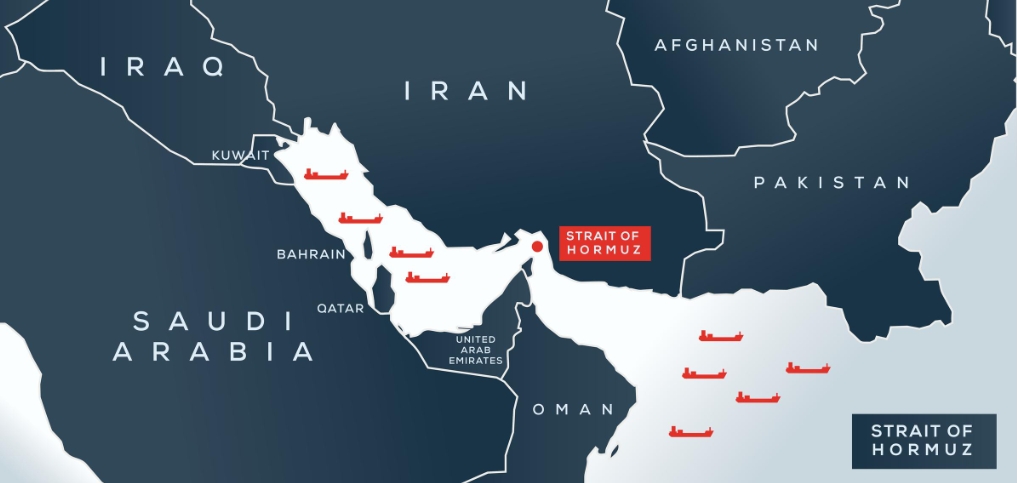
He also linked the agreement to developments in global energy markets and maritime trade, noting that more than 12.5 million barrels of oil passed through the Strait of Hormuz overnight following the reopening of shipping routes.
According to Vance, the restoration of maritime traffic and easing of restrictions had contributed to lower oil prices and reduced fuel costs in the United States.
Negotiators from both countries are expected to continue discussions over the coming weeks as efforts continue to reach a final agreement before the end of the 60-day period.