New Delhi, August 4: A delayed start to the southwest monsoon is unlikely to have a significant impact on the broader economy, although food inflation may remain elevated in the near term due to temporary supply-side pressures, according to a report by Bajaj Asset Management Limited.
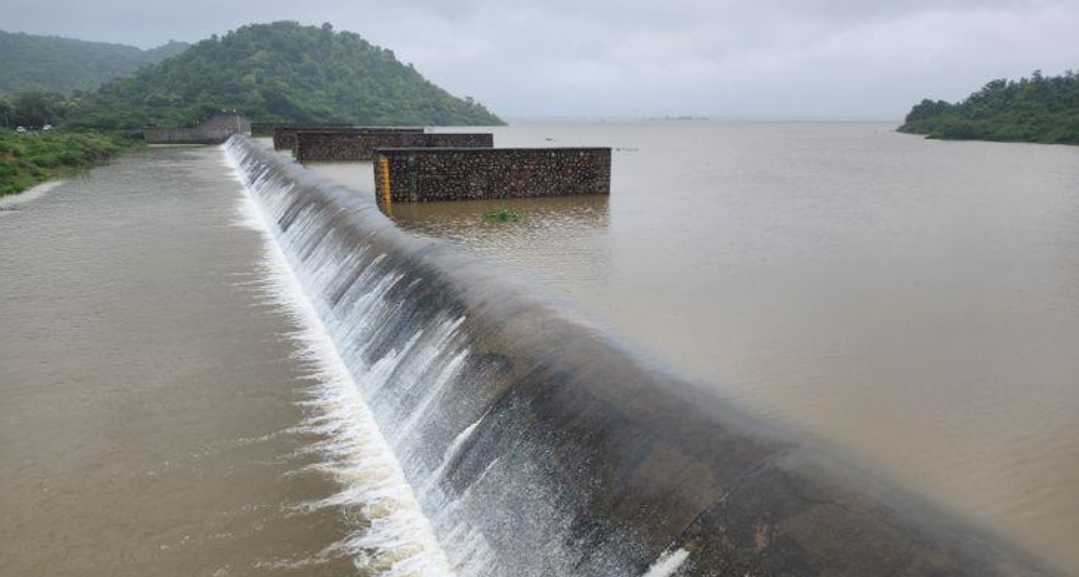
The report said rainfall improved substantially during the last week of June and remained strong throughout July. Reservoir levels are currently comfortable, with most river basins recording water storage at or above their long-term averages. It also noted that India’s food grain stocks are nearly five times the prescribed buffer level, providing adequate support to contain cereal inflation.
The report said rural demand has remained resilient despite delays in sowing. Tractor sales increased by 19 per cent year-on-year in May, agricultural credit growth accelerated to nearly 15 per cent, and non-farm income continued to support household consumption.
It projected Consumer Price Index (CPI) inflation to average between 5 and 5.5 per cent in FY27, mainly due to temporary pressures on food supply, while underlying inflation is expected to remain contained.
According to the report, a weak start to the monsoon does not necessarily determine the outcome of the entire season. Although June 2026 was among the driest months recorded in more than a century, rainfall during the July-September period will play a decisive role in determining the overall monsoon performance.
The report added that consecutive years of deficient rainfall generally have a greater impact on farm incomes, rural consumption and economic growth than a single delayed monsoon season.
It further stated that stable policy rates could help keep bond yields anchored, while an improvement in rural demand may support sectors such as agricultural inputs, farm equipment, rural-focused automobile manufacturers and consumer staples. Improved rural consumption could also strengthen market sentiment, which has been affected by geopolitical uncertainty and higher crude oil prices.
The report said that if rainfall continues at the current pace through August and September, concerns over a deficient monsoon are likely to ease, with 2026 expected to be viewed as a delayed but recovering monsoon year.