Tehran, June 11: Iran’s Islamic Revolutionary Guard Corps (IRGC) on Thursday announced the closure of the strategically important Strait of Hormuz to all maritime traffic following fresh US military strikes on Iranian targets, significantly escalating tensions in the Middle East.
In a statement issued through its official channels, the IRGC declared that the Strait of Hormuz was “closed to all vessels, including oil tankers and commercial ships,” citing the deteriorating security situation in the region. The force further warned that any vessel attempting to transit the waterway could face military action.
According to Iranian media reports, intense clashes and exchanges of fire were reported in and around the Strait of Hormuz between US forces and units of the IRGC Navy. Iranian authorities claimed that two vessels attempting to transit the strait without authorization had been struck.
The escalation follows a series of US military strikes targeting multiple locations across southern Iran. Iranian media reported attacks in and around Bandar Abbas, Sirik, Qeshm Island and Hengam Island, with several explosions heard across the affected areas. Reports also indicated that two residents of Kargan in Minab County were injured by shrapnel following one of the strikes.
Additional explosions were reported in Bandar Abbas, as well as in the southern towns of Sirik and Minab, Qeshm Island and the northern city of Gorgan, according to Iranian news agencies.
Meanwhile, the United States Central Command (CENTCOM) confirmed that it had launched additional “self-defence” strikes against multiple targets in Iran. In a statement, CENTCOM said the operations were carried out under the direction of the US President in response to what it described as Iran’s “continued and unwarranted aggression.”
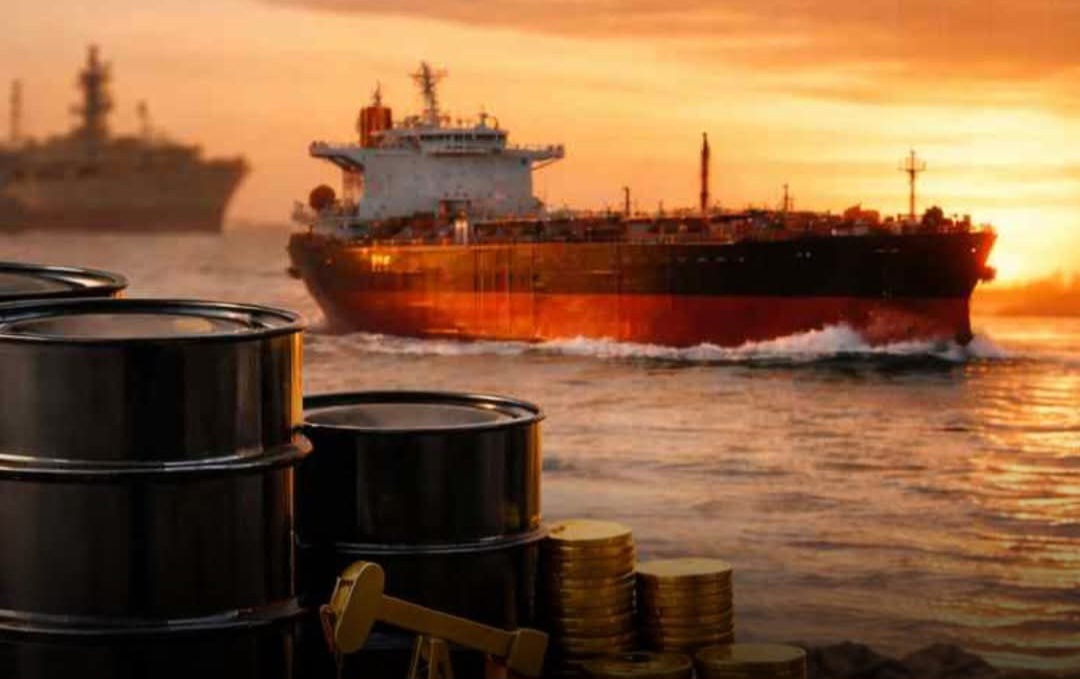
The Strait of Hormuz, located between Iran and Oman, is one of the world’s most vital maritime routes, facilitating a significant portion of global oil and gas shipments. Any disruption to traffic through the waterway is expected to have major implications for international energy markets and regional stability.
The latest developments mark a sharp escalation in hostilities between Washington and Tehran, raising concerns over the possibility of a broader conflict in the Gulf region.