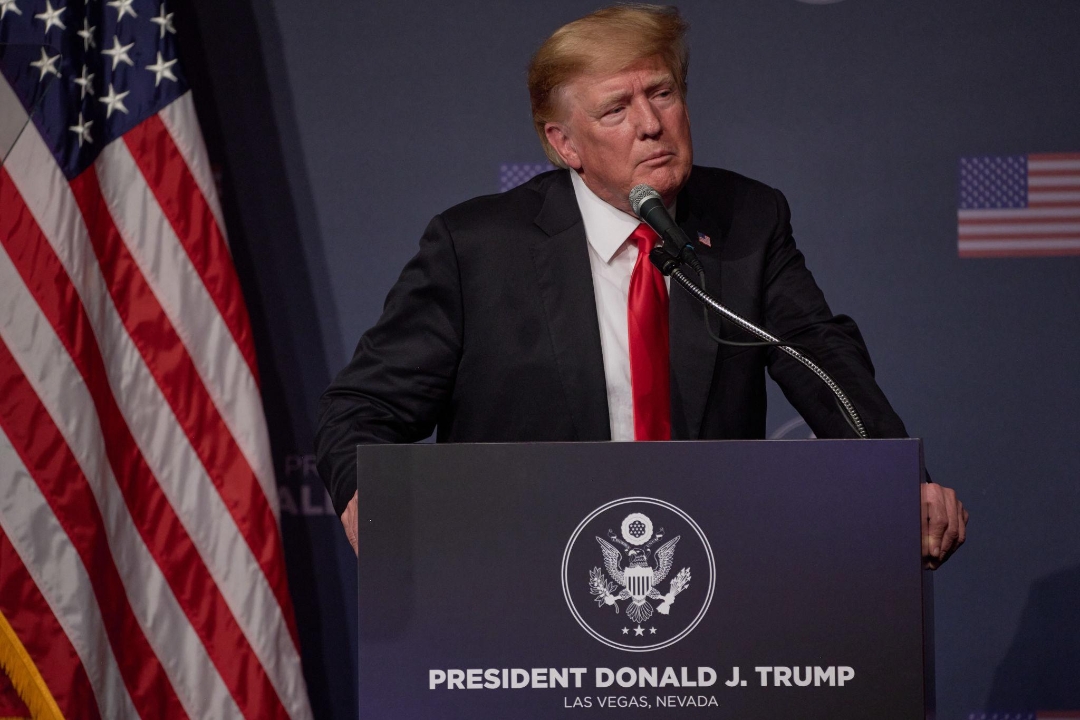


Washington, August 29: US President Donald Trump has announced an oil agreement with Venezuela, describing it as the “biggest oil deal in world history” and claiming that the United States will gain majority control over more than 65 billion barrels of Venezuela’s proven crude oil reserves.
Trump said the agreement was reached under his direction by US Secretary of State Marco Rubio and Secretary of War Pete Hegseth, in coordination with Venezuela’s interim President Delcy Rodriguez and private-sector companies.
According to Trump, the arrangement will come at “no cost to the American taxpayer” and will more than double US oil reserves. He said increased access to Venezuelan crude would raise oil supplies in the United States and contribute to lower gasoline prices over the long term.
Trump also said the agreement would support Venezuela’s economic recovery and strengthen relations between Washington and Caracas.The announcement follows months of US diplomatic engagement, sanctions enforcement and oversight of Venezuelan oil exports.
The agreement comes nine months after a US military operation ordered by Trump resulted in the capture of Venezuelan leader Nicolas Maduro, who was transferred to the United States to face federal charges related to narcoterrorism and drug trafficking.
The development also comes amid pressure over US fuel prices, the ongoing conflict in Iran and a decline in the US Strategic Petroleum Reserve. The reserve fell below 300 million barrels in early August, according to the information cited in the announcement.
Trump had previously supported the return of US oil companies to Venezuela, arguing that American assets were taken after former Venezuelan President Hugo Chavez nationalised foreign-owned properties.
Venezuela has the world’s largest proven crude oil reserves, estimated at around 303 billion barrels, accounting for about 17 per cent of global reserves, according to the US Energy Information Administration. However, the country produces only a small share of global oil output due to ageing infrastructure and limited production capacity.