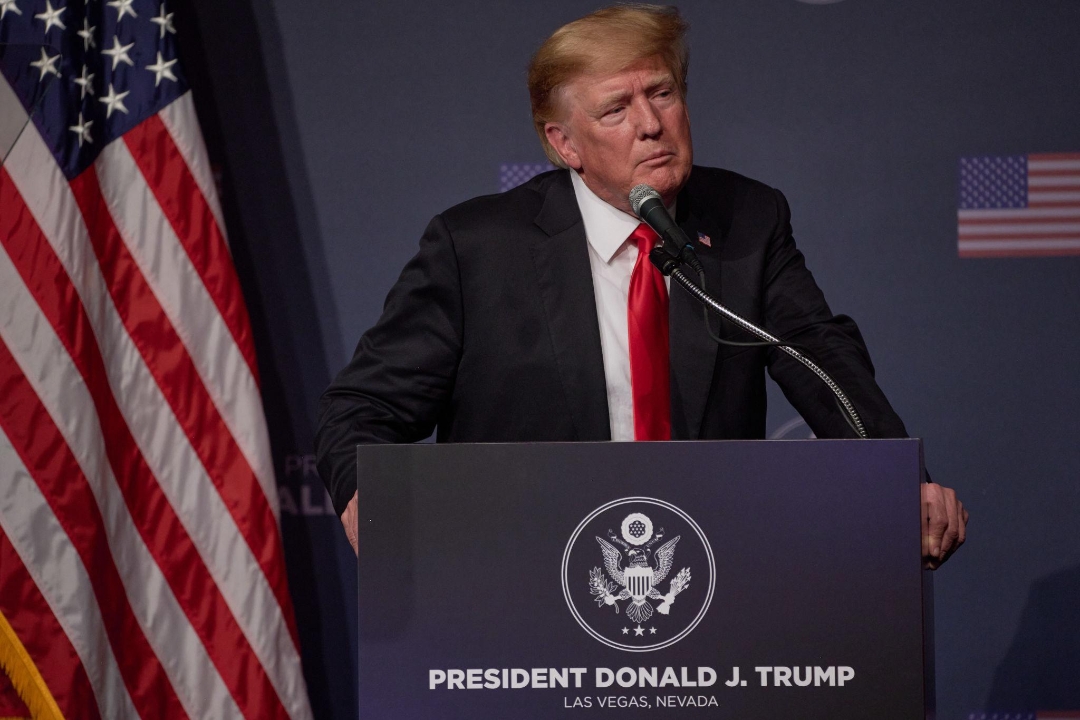
Doonbeg, Ireland, September 13: US President Donald Trump has rejected calls for a slowdown in artificial intelligence (AI) development, saying the United States is ahead of China in the field and should maintain its position.
Speaking to reporters during his visit to Ireland on Sunday, Trump said safeguards could be introduced but questioned calls for slowing the development of AI.
“We’re leading China in AI; we’re the most sophisticated country in the world. And frankly, I want to keep it that way because whoever wins AI, wins,” Trump said.
He said guardrails could be considered but argued that concerns about slowing AI development were being raised by what he described as “negative forces.”
Trump’s remarks come amid discussions among AI companies and researchers over the risks associated with increasingly capable AI systems and whether the industry should coordinate efforts to reduce the pace of development.
OpenAI Chief Executive Officer Sam Altman, speaking to Fortune on Friday, said the heads of major AI laboratories could eventually establish a framework to work together on risk mitigation.
Asked whether the leaders of major AI laboratories would meet directly to discuss such measures, Altman said, “I think that will happen,” while declining to disclose details of private discussions.
The debate has also been fuelled by Anthropic CEO Dario Amodei, who has called for greater coordination within the industry and internationally over AI safety. Amodei has said the pace of improvement in AI capabilities should be reduced.
Concerns over the development of advanced AI have also been raised by researchers and former employees of AI companies, including over autonomous systems, security risks and the possibility of advanced AI systems becoming difficult to control.
Altman has said AI companies have a responsibility to place safety ahead of commercial interests, arguing that profit incentives should not interfere with efforts to manage the risks associated with the technology.
Discussions over a possible formal industry-wide moratorium or coordinated slowdown remain at an early stage. Any agreement among competing AI companies could also face regulatory and antitrust considerations in the United States.