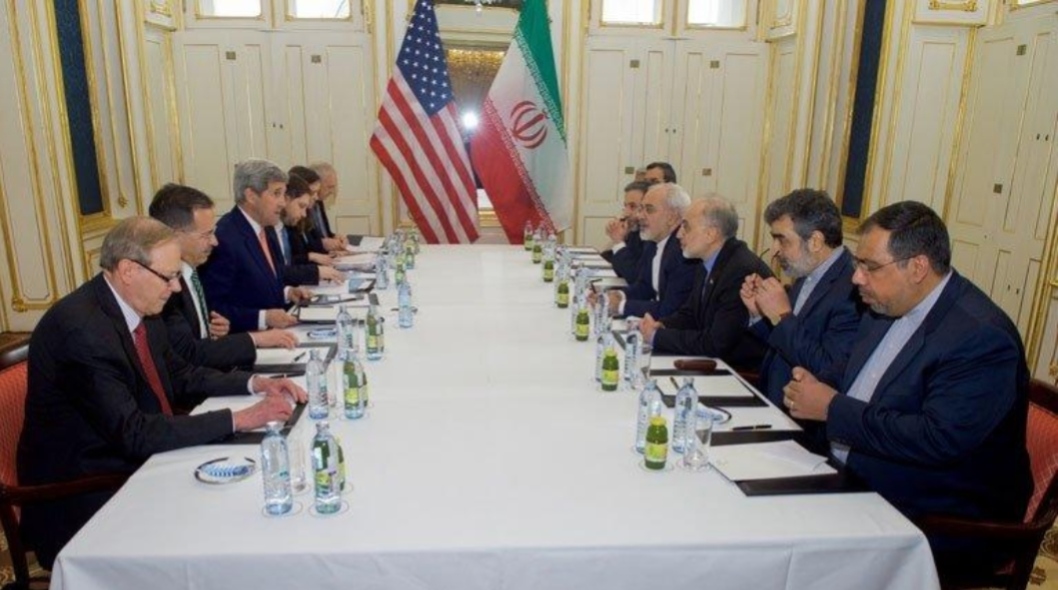
Washington, June 4: Diplomatic negotiations between the United States and Iran have reportedly reached a significant impasse after Tehran insisted on the immediate release of billions of dollars in frozen assets as a precondition for advancing talks.
According to a report by The Jerusalem Post, Iranian negotiators are demanding access to “liquid cash” from frozen funds during the initial phase of any agreement, a condition that has become the primary obstacle in ongoing discussions.
Sources familiar with the negotiations said international mediators have been working behind the scenes to bridge differences between the two sides. However, efforts to secure a compromise have made little headway, with Iran maintaining its demand for upfront financial relief before undertaking any substantial commitments related to its nuclear programme or regional security concerns.
The United States has firmly rejected the proposal, with senior officials insisting that no funds will be released unless Iran first takes meaningful steps on key issues, including its nuclear activities and security in the Strait of Hormuz.
Despite the deadlock, US President Donald Trump struck an optimistic tone, stating that negotiations with Iran were progressing positively, though he acknowledged that a final agreement remained uncertain.
Speaking at the White House, Trump said, “It might not happen, but if it does, it could happen over the weekend.” He added that discussions with Tehran were going “very well” despite lingering disagreements.
The US President also reiterated Washington’s intention to secure control over Iran’s stockpile of enriched uranium, arguing that only the United States and China possess the necessary capabilities to safely manage the material.”I want to get it. We will go get it,” Trump said.
Addressing maritime security concerns, Trump expressed confidence that the strategically important Strait of Hormuz would reopen quickly once a memorandum of understanding is signed, saying the waterway would resume normal operations “immediately upon signing.”The diplomatic developments come amid heightened regional tensions following a deadly strike on Kuwait International Airport, the first fatal incident in the Gulf since the ceasefire announced on April 8.
The attack left one person dead and 63 others injured. India’s Ministry of External Affairs confirmed that the deceased was an Indian citizen and condemned the strike on civilian infrastructure, calling on all parties to refrain from such attacks.
Kuwait’s Defence Ministry stated that 30 ballistic missiles and drones were launched in what it described as an Iranian attack that caused significant damage to airport facilities, forcing a temporary suspension of operations.Iran’s Islamic Revolutionary Guard Corps (IRGC), however, denied responsibility, claiming the damage resulted from a malfunction in a US-made Patriot air defence system rather than an Iranian strike.
The incident drew criticism from regional leaders, including former Qatari Prime Minister Sheikh Hamad bin Jassim bin Jaber Al Thani, who described attacks on Gulf states as “astonishing” and “unjustifiable” and urged regional governments to adopt a unified response.Iran has maintained that its military actions are retaliatory measures against countries allegedly facilitating US operations against Iranian targets.
Meanwhile, the US Central Command (CENTCOM) reported successfully intercepting multiple Iranian missiles and drones aimed at American and allied positions in the Gulf, stating that all attacks on US forces had failed.
Amid the broader regional instability, a separate diplomatic breakthrough emerged as Israel and Lebanon agreed on steps toward implementing a ceasefire. A joint statement issued following US-mediated talks said the arrangement remains contingent upon a complete halt to Hezbollah attacks and the withdrawal of Hezbollah operatives from southern Lebanon.
The development is viewed as a positive step toward reducing tensions along Israel’s northern border, an issue that had threatened to complicate parallel diplomatic efforts involving Iran and regional security.