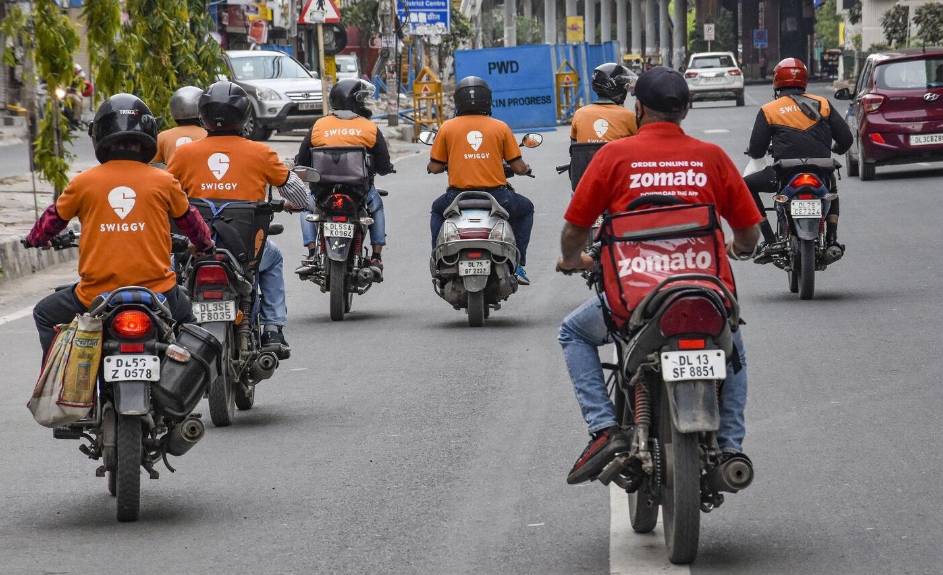


New Delhi, India, May 29: India’s current labour laws are not adequately aligned with the fast-expanding platform and e-commerce economy, and require a structural overhaul to ensure social security and welfare for gig and delivery workers, according to Virjesh Upadhyay, Chairperson of the Dattopant Thengadi National Board for Workers Education and Development.
In an exclusive interaction with Asian News International, Upadhyay said India’s legislative architecture does not sufficiently address the nature of digital-first businesses and the workforce that powers them.“So far, the legislative structure of this country is not directly addressing aggregators or platform workers. As the ecosystem evolves, we need to redesign existing laws to accommodate them,” he said on the sidelines of a national consultation on gig and platform workers, jointly organised by FICCI, AIOE and the International Labour Organization.
Upadhyay said that lawmaking must reflect the operational realities of India’s booming e-commerce and delivery-based sectors. “Existing laws are not looking towards the e-commerce business. They must be flexible and customised to include these workers,” he noted.
Grievance Redressal Key Priority
He emphasised that grievance redressal remains a major area of concern for platform workers, though some large aggregators have begun developing mechanisms.“The major concern is how to address grievances. It is evolving, but we need to customise these systems to Indian conditions and worker expectations,” he said.
He added that sustained dialogue between policymakers, industry and workers is essential to building robust and fair systems.
Gig Workers Must Receive Equal Rights and Welfare
Referring to the rapid growth of the platform workforce, Upadhyay asserted that delivery partners working with major aggregators such as[Uber](https://www.uber.com?utm_source=chatgpt.com)[Swiggy](https://www.swiggy.com?utm_source=chatgpt.com)[Zomato](https://www.zomato.com?utm_source=chatgpt.com)should be treated on par with all other categories of workers in terms of welfare, rights and social security.“For your delivery partners they are workers. Whatever benefits and facilities are available to other workers must be available to them as well,” he stressed. “Rights and welfare should be common for all workers, including platform workers.”
Minimum Wages Must Reflect Local Dynamics
On minimum wages, Upadhyay cautioned against a uniform nationwide benchmark, noting that wages vary significantly by industry, state and locality.“Minimum wages are dynamic and depend on several layers. A single benchmark is not advisable,” he said. However, he emphasised that earnings must keep pace with basic living needs.
He also acknowledged the rising impact of inflation on gig workers and said allowance-based compensation frameworks, such as dearness adjustments, must be periodically reviewed. “How far these allowances bridge the inflation gap is something that requires close attention,” he said.
Government Working Toward Inclusive Social SecurityUpadhyay noted that the government is attempting to balance industry growth with worker protection. Recent steps, including insurance coverage for gig workers, reflect this intent.
He expects gig workers to be gradually integrated into broader national social security frameworks in the coming years. “Gradually, they all should be brought under the same framework including provident fund and insurance-based protections,” he added.
As India’s platform economy expands, stakeholders agree that a redesigned, inclusive labour ecosystem will be essential to ensure equitable protections for millions of gig and delivery workers powering the digital marketplace.