

New Delhi, July 5: India’s power sector is entering a new phase of expansion, with transmission infrastructure, energy storage and distribution reforms expected to play a central role in meeting rising electricity demand over the coming years, according to a report by Macquarie Equity Research.
The report projects that the country’s installed power generation capacity will increase from the current 538 GW to around 900 GW by FY2032. It said coal-based generation is expected to continue supporting baseload power requirements, while renewable energy will account for most of the new capacity additions. To support this transition, India will need to install around 74 GW of energy storage capacity by 2032 to manage renewable energy variability and meet peak demand.
India recorded its highest-ever peak power demand of 271 GW in May 2026 during a heatwave. The Central Electricity Authority estimates electricity demand will grow at a compound annual growth rate (CAGR) of 6 per cent until 2030. The report noted that industrial consumption accounts for nearly half of total electricity demand, while increasing use of air conditioning, data centres and electric transport will contribute to future demand growth. The International Energy Agency (IEA) expects India’s electricity consumption to grow by 6.4 per cent annually through 2030.
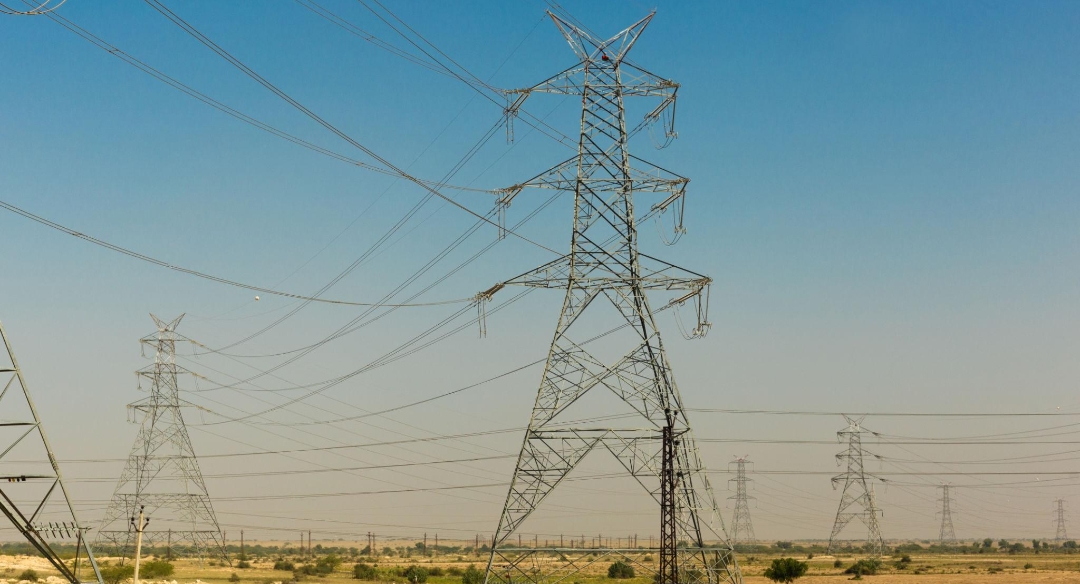
According to the report, expansion of the transmission network will be necessary to support the country’s renewable energy targets. It estimates that about USD 51 billion will be required for transmission infrastructure to integrate 500 GW of non-fossil fuel capacity by 2030 and support 900 GW of installed capacity by 2035-36.
The report pointed out that while power generation projects generally take 12 to 18 months to complete, transmission projects require 36 to 48 months. It noted that inadequate transmission capacity led to the loss of around 2,300 GWh of electricity between May and December 2025 when solar power generation exceeded the grid’s absorption capacity.
On the distribution side, the report said the Revamped Distribution Sector Scheme (RDSS), launched in 2021, has led to improvements in the financial and operational performance of state-owned power distribution companies (DISCOMs). Under the scheme, projects worth Rs 2.83 trillion have been sanctioned and around 203 million smart meters are planned.
As a result, aggregate technical and commercial (AT&C) losses declined to 15 per cent from 22 per cent in FY2021. DISCOMs collectively reported a profit of Rs 25 billion in FY2025, while overdue payments to power generators fell to below Rs 500 billion from Rs 1.4 trillion, supported by the implementation of Late Payment Surcharge rules.
The report also highlighted ongoing policy reforms. It said the Draft National Electricity Policy 2026 proposes greater use of market-based mechanisms, while the Electricity (Amendment) Bill 2026 seeks to introduce cost-reflective tariffs and regulated competition in power distribution. The India Energy Stack is also being developed to facilitate peer-to-peer electricity trading and support distributed energy resources.
Macquarie said India is moving towards an integrated framework covering power generation, transmission and distribution. With around 50 GW of generation capacity expected to be added annually and Rs 9.15 trillion earmarked for transmission investment by 2032, the pace of transmission and energy storage development will be important in meeting future electricity demand.