

Tehran, July 14: Iran’s Islamic Revolutionary Guard Corps (IRGC) on Tuesday claimed responsibility for disabling two oil tankers transiting the Strait of Hormuz, alleging that the vessels were engaged in “illegal activities,” had switched off their navigation systems and ignored repeated warnings from Iranian authorities.
The statement came after the United Arab Emirates accused Iran of launching cruise missile strikes on two Emirati commercial vessels, resulting in the death of an Indian crew member and injuries to eight others.
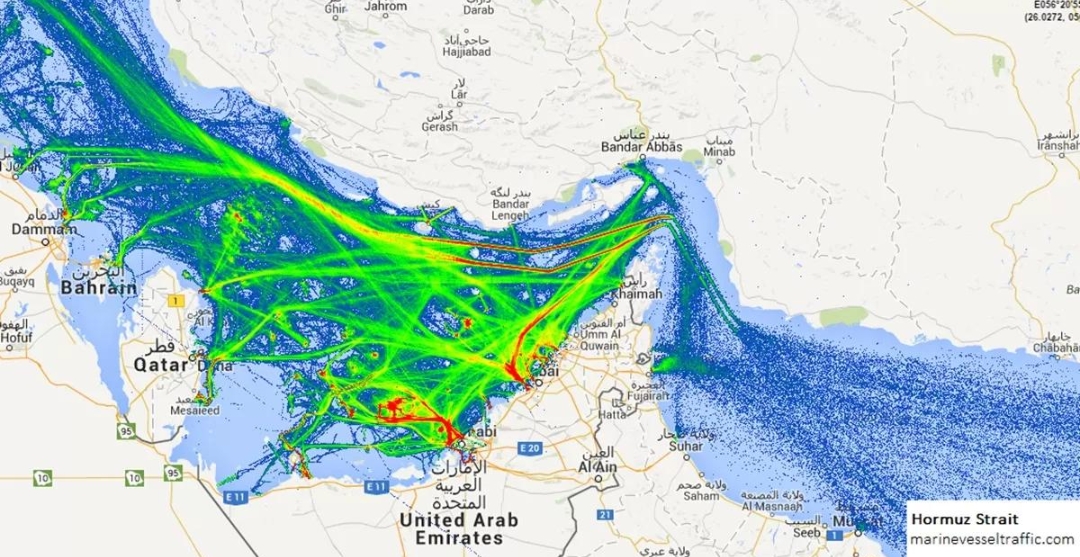
In a statement carried by Iranian media, the IRGC said the two tankers had entered an unauthorised route under US guidance, deactivated their tracking systems and endangered maritime navigation by passing through a minefield. It said Iranian forces targeted and immobilised the vessels after repeated warnings were ignored.
The IRGC also warned regional countries against cooperating with the United States, stating that such actions would delay the reopening of the Strait of Hormuz and contribute to disruptions in global energy supplies.
Earlier, the UAE Ministry of Defence said Iranian cruise missiles struck the oil tanker Mombasa and the liquefied natural gas carrier Al Bahiyah while they were sailing through the southern transit route of the Strait of Hormuz in Omani waters.
According to Emirati authorities, one Indian sailor aboard the Mombasa was killed, while eight crew members were injured, including four who remain in critical condition. The missile strikes caused damage to both vessels and triggered onboard fires, which were later brought under control by emergency response teams.
The UAE condemned the attack, calling it a violation of international law and a threat to regional security and stability. It said the country reserved the right to respond and would take all necessary measures to protect its territory, citizens and residents.
The developments follow earlier remarks by Iran’s Khatam al-Anbiya Central Headquarters, which warned that Tehran would not allow the United States to oversee activities in the Strait of Hormuz. Iranian officials also cautioned regional states that cooperation with the US in the strategic waterway would be viewed as an act of war.
The exchange marks another escalation in tensions in the Gulf following recent US military operations against targets inside Iran.
The Strait of Hormuz remains one of the world’s most important maritime routes, carrying a significant share of global oil exports. The latest developments have renewed concerns over the security of commercial shipping and the potential impact on international energy markets.