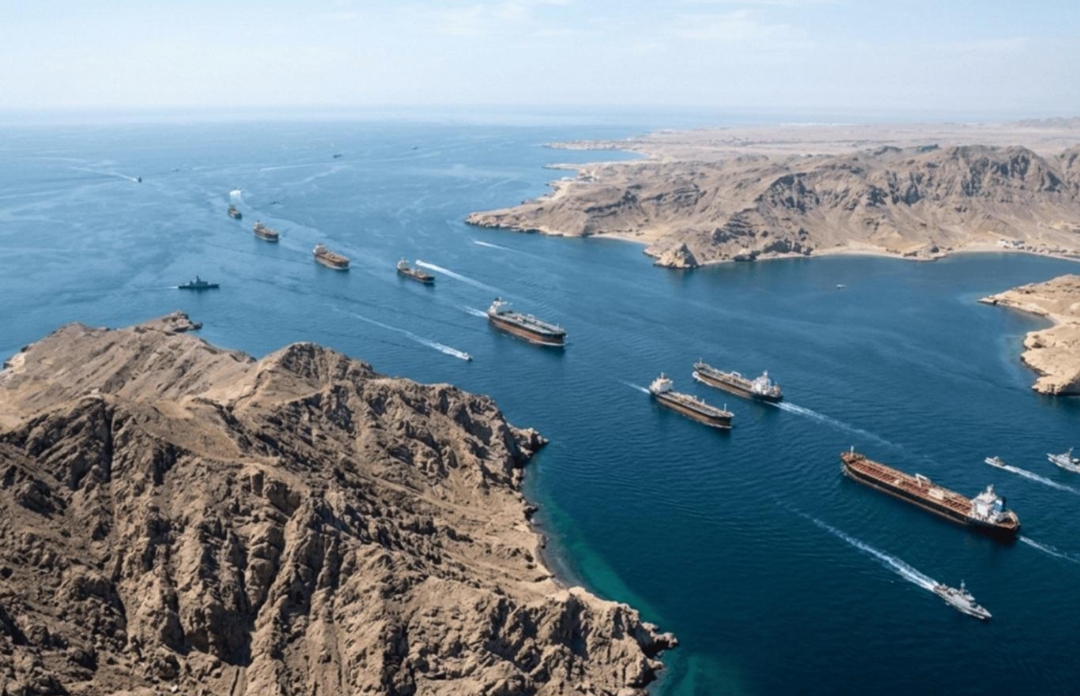


Tehran, June 23: Iran’s Parliament Speaker Mohammad Bagher Ghalibaf has said that the Strait of Hormuz will not return to its pre-war operational status and that Tehran will administer the strategic waterway while continuing to observe international regulations.
Speaking upon his return from Switzerland following the first round of technical talks with the United States under the 14-point memorandum of understanding between the two countries, Ghalibaf said Iran would exercise control over the key maritime route under new arrangements.
“Everyone should know that the administration of the Strait of Hormuz will never go back to the way it was before the war,” he said, adding that Iran would manage the strait in accordance with international rules.
The Speaker said Iran had demonstrated its influence during the recent negotiations in Switzerland and claimed that Tehran had been able to shape the course of discussions.
He also alleged that during the talks, Iran compelled the United States to revise a social media post in which US President Donald Trump had warned Tehran against supporting its proxy groups in the region, particularly in Lebanon, calling it an example of Iran’s diplomatic leverage.
Referring to the broader regional situation, Ghalibaf said the negotiations were linked to developments in Lebanon and reiterated Iran’s long-standing position of mistrust towards the United States.”We have never trusted the Americans; we don’t trust them now, and it is only reasonable to remain distrustful in the future,” he said.
The Iranian Speaker further claimed that Tehran’s participation in the Switzerland talks helped prevent a further escalation of tensions in the region.He said discussions also covered issues related to Lebanon’s territorial integrity and regional ceasefire arrangements, adding that Iran continues to monitor developments closely.
“Had we not gone to Switzerland for talks with the United States, more blood would have been shed among Muslims and Shias in Lebanon,” he said.
Ghalibaf also called for national unity under the leadership of Iran’s Supreme Leader, Ayatollah Seyyed Mojtaba Khamenei, saying that his directives remain final.
According to the Speaker, the discussions between Tehran and Washington also resulted in the release of frozen Iranian assets and an easing of restrictions on Iran’s oil sector.
The remarks came after the conclusion of the first round of technical negotiations aimed at ending hostilities in West Asia between the United States and Iran. Both sides have agreed to establish a High-Level Committee and prepare a roadmap for a final agreement within 60 days.