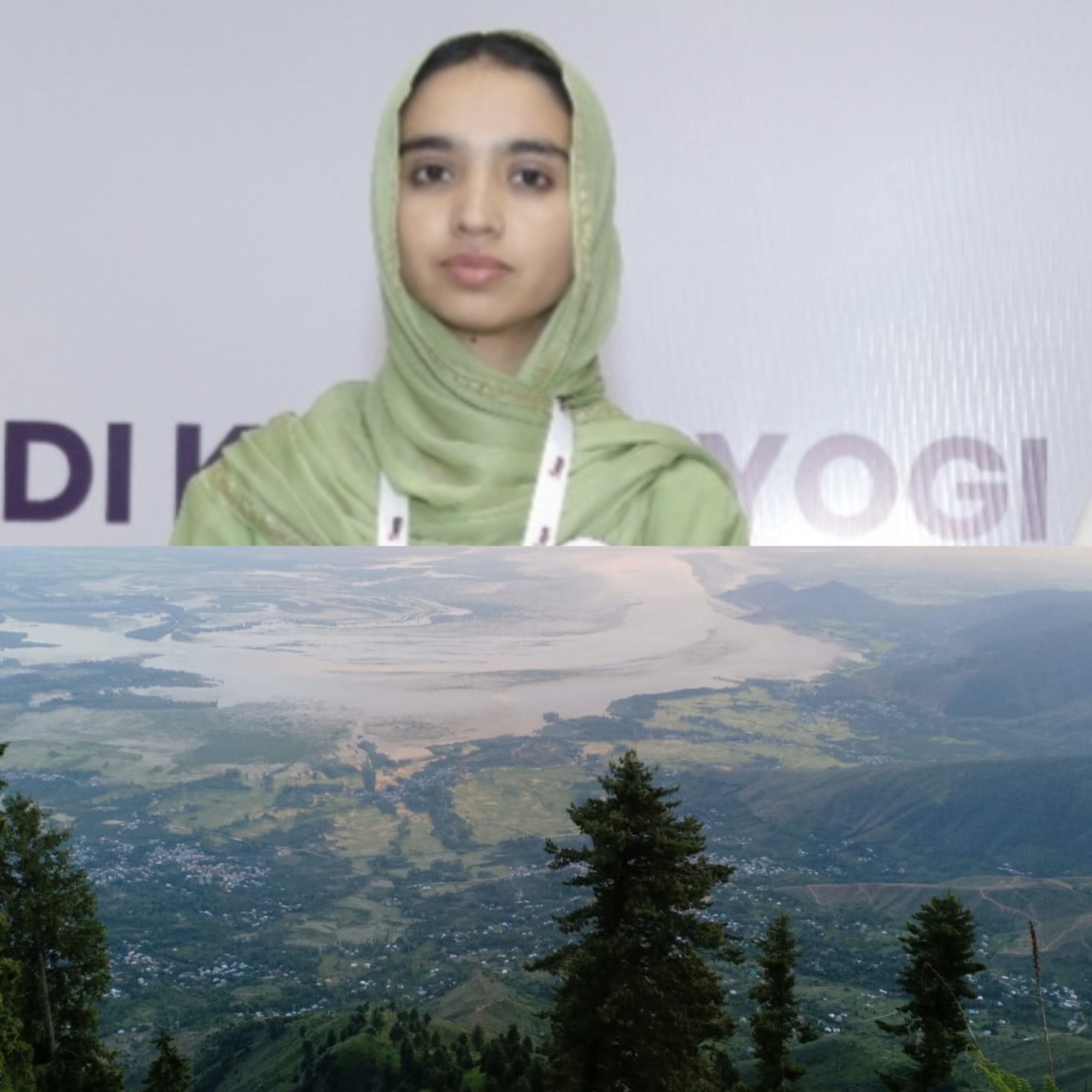


Shabnam Bashir
The scenic Quilmuqam–Reshwari viewpoint along the Dumgali tourism route possesses all the attributes of a landmark tourism destination. Overlooking the vast expanse of Wular Lake, surrounded by rolling mountains and lush valleys, the site offers one of the most impressive panoramic views in north Kashmir. Yet, despite its natural beauty and growing tourism potential, the area remains largely devoid of basic tourism infrastructure.
The development of a thoughtfully designed public park at this location could become a turning point for the Dumgali tourism route, enhancing visitor experiences while generating sustainable livelihood opportunities for local tribal communities.
Untapped Tourism Potential
Tourism has increasingly emerged as an effective instrument for sustainable development, particularly in rural and tribal regions blessed with natural beauty but lacking infrastructure and investment. Across Jammu and Kashmir, several destinations with significant tourism potential remain underdeveloped despite their ecological and cultural importance.
Among these destinations is the Quilmuqam–Reshwari viewpoint, situated on the route to Dumgali. The location offers uninterrupted views of Wular Lake, surrounding mountain ranges, dense forests, and valleys that define the landscape of north Kashmir. Its accessibility and scenic value make it an ideal site for tourism infrastructure development.
Dumgali itself has gained attention among trekkers, nature enthusiasts, and adventure seekers. The region’s pristine environment, trekking trails, biodiversity, and tranquil atmosphere provide visitors with experiences beyond conventional tourist circuits. As interest in unexplored destinations continues to grow, Dumgali offers the kind of authentic, nature-based tourism increasingly sought by modern travelers.
The Need for Tourism Infrastructure
While the popularity of Dumgali has steadily increased, the tourism route still lacks adequate facilities for visitors. Travelers often pass through the Quilmuqam–Reshwari viewpoint without finding designated spaces for rest, photography, sightseeing, or interpretation of the region’s ecological and cultural significance.
The establishment of a public park at this strategic location can address this gap. A well-planned recreational space would not only improve the visitor experience but also create a landmark attraction along the Dumgali route.
Research conducted during the preparation of the book Unexplored Kashmir identified Quilmuqam–Reshwari as one of the most suitable sites for tourism development due to its accessibility, scenic landscape, and proximity to tribal settlements.
A Vision for a Public Park
The proposed public park could include landscaped green spaces, viewing decks overlooking Wular Lake, walking trails, seating areas, designated photography points, children’s recreational facilities, and informative displays highlighting the region’s biodiversity and cultural heritage.
Such facilities would allow visitors to spend more time at the location while preserving the natural character of the landscape. Equally important, the project would fill a significant gap in the tribal belt, where public recreational spaces remain limited.
The establishment of a park in this area would symbolize inclusive development and acknowledge the importance of tribal regions in the tourism landscape of Jammu and Kashmir.
Supporting Sustainable TourismThe proposal aligns with the principles of sustainable tourism. Unlike large-scale commercial projects that may place pressure on fragile ecosystems, a carefully designed public park can promote responsible tourism while protecting natural resources.
Designated pathways, viewing points, and regulated visitor movement would help minimize ecological disturbances. Informational displays and interpretation facilities could educate visitors about local biodiversity, conservation practices, and tribal culture, transforming the site into both a recreational and educational destination.
Economic Opportunities for Local Communities
One of the strongest arguments in favor of the proposed park is its potential economic impact on local communities. Tourism becomes sustainable only when local residents participate in and benefit from its growth.
The Quilmuqam–Reshwari area already possesses an important asset in the form of locally managed homestays. These accommodations provide visitors with opportunities to experience traditional lifestyles, local cuisine, and the hospitality of tribal communities while ensuring that tourism income remains within the region.
An increase in tourist footfall resulting from the development of the park would naturally boost demand for accommodation, food services, transportation, guiding services, and cultural experiences. Homestay operators would particularly benefit as visitors choose to extend their stay in the area.
The economic benefits could extend further through handicrafts, traditional products, food stalls, pony services, and other tourism-related enterprises. Such opportunities would create employment for local youth, reduce migration, and strengthen rural economies.Women in tribal communities could also benefit through participation in hospitality services, handicrafts, food preparation, and cultural enterprises, thereby contributing to social inclusion and community empowerment.
The Growing Demand for Offbeat DestinationsJammu and Kashmir has witnessed a growing interest in offbeat tourism destinations in recent years. While established destinations continue to attract large numbers of visitors, travelers are increasingly seeking locations that offer authenticity, tranquility, and immersive experiences.
The Dumgali tourism route possesses these qualities. What remains necessary is strategic infrastructure that enables the region to realize its full tourism potential.
Recognizing this opportunity, a memorandum advocating the establishment of a public park at Quilmuqam–Reshwari has already been submitted to the district administration. The proposal highlights the tourism potential of the site and the broader socio-economic benefits that such a project could generate.
A Catalyst for Regional DevelopmentTourism development is not always dependent on large investments or extensive commercial projects. Sometimes, a thoughtfully designed public space at the right location can become a catalyst for regional transformation.
The Quilmuqam–Reshwari viewpoint represents such an opportunity. Its scenic landscape, accessibility, and proximity to local communities make it ideally suited for sustainable tourism development.
The District Administration, Tourism Department, Tribal Affairs Department, and Rural Development agencies should work collectively to assess the feasibility of this proposal. By prioritizing the establishment of a public park at this location, they can create a landmark destination that promotes tourism, supports local livelihoods, strengthens homestay tourism, and showcases the natural beauty of one of Kashmir’s promising yet underappreciated regions.
The panoramic view of Wular Lake from Quilmuqam–Reshwari is a natural asset of immense value. With careful planning, community participation, and institutional support, it can become a symbol of sustainable development, tribal empowerment, and responsible tourism.
The opportunity already exists. The next step is to transform that opportunity into reality.
Author: Shabnam Bashir is the author of the book “Unexplored Kashmir” and works as a tourism researcher and promoter.