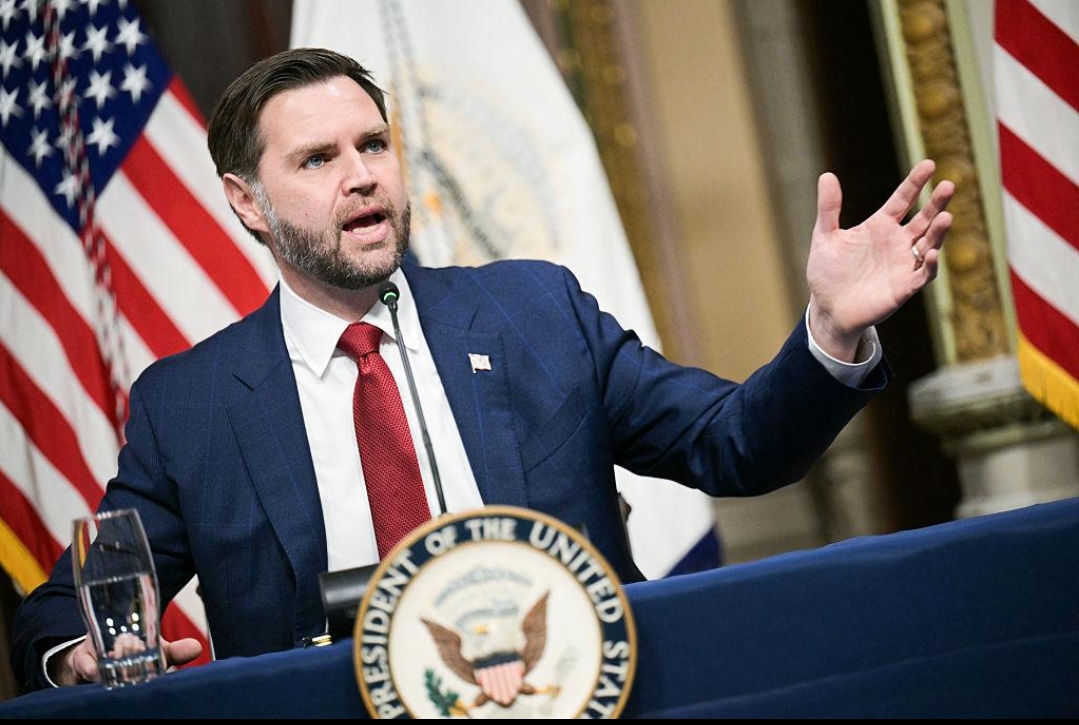


Washington, DC, June 15: US Vice President JD Vance has said that the United States and Iran have already signed their proposed agreement digitally, while clarifying that any sanctions relief for Tehran will depend on its compliance with the commitments outlined in the deal.
Speaking to ABC’s Good Morning America on Monday, Vance said no financial concessions had been provided to Iran following the digital signing of the agreement.“We already signed the deal digitally yesterday, and there has been no money released, and that will not change,” Vance said while responding to questions regarding potential sanctions relief and access to frozen Iranian assets.
He stated that the agreement would be implemented on a performance-based framework, under which sanctions relief would be linked to specific actions taken by Iran.
According to Vance, measures such as reducing its stockpile of enriched nuclear material and allowing international verification mechanisms to confirm that Iran is not pursuing nuclear weapons would be key conditions for sanctions relief.
He further said that the agreement could provide Iran with a pathway to greater participation in the global economy if it adheres to the terms of the deal.
Addressing concerns over Israel’s position on the agreement, Vance acknowledged that regional tensions could affect the implementation process. However, he expressed confidence that the deal could contribute to stability and serve the interests of regional countries, including Israel, Gulf nations, the United States, and Iran.
The remarks came a day after US President Donald Trump announced that the agreement with Iran was complete and would be formally signed on Friday.
In a post on Truth Social, Trump said the agreement was intended to bring peace and security to the region. He also stated that the reopening of the strategically important Strait following the signing of the deal would facilitate the resumption of oil shipments and mine-clearing operations.
Meanwhile, Israel’s National Security Minister Itamar Ben-Gvir said that Israel would not be bound by the agreement, asserting that the country remains an independent and sovereign nation.
Iran, for its part, has repeatedly maintained that Lebanon should be included in the final agreement with the United States, describing the issue as an integral component of broader regional arrangements.